
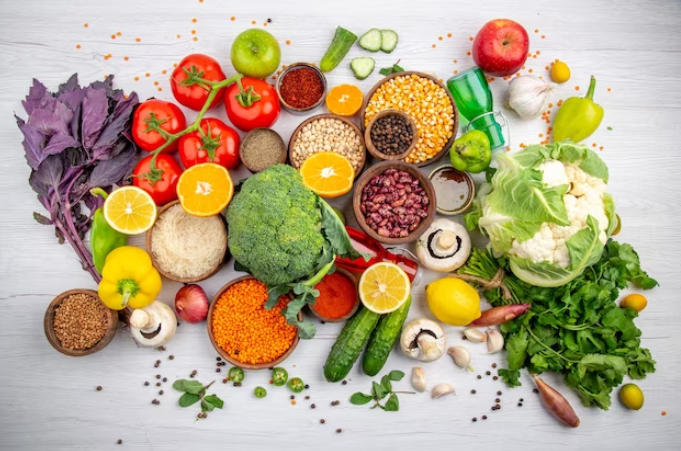
A major element of our research involves understanding the dietary needs of various populations – in this article specifically targeting Algeria’s elderly individuals – with particular consideration given to nutritional considerations that must be considered when making informed dietary choices for better quality of life through diet. We focus on offering physicians’ perspectives like that of the Mental health clinic in Multan when providing relevant insights or suggestions to enhance the quality of life through mindful nutrition for these seniors.
Age and Nutritional Requirements:
Ageing can bring on metabolic alterations that necessitate modifications to food habits and eating patterns, with decreased metabolic rate and changing body composition necessitating more nutrient-rich meals to meet the nutritional requirements of older individuals.
Algerian doctors advocate consuming foods high in essential nutrients such as vitamins, minerals, antioxidants and fresh produce as the foundation of a diet rich in energy-producing elements such as fruits, vegetables, whole grains lean proteins and healthy fats for overall wellness and energy boost.
Advanced Meal Planning:
1: Optimize Macronutrient Balance:
Medical professionals emphasize the importance of maintaining an optimal macronutrient balance for older individuals’ diets, with enough protein consumption helping preserve muscle mass while adequate carbs and fat consumption supporting weight control as well as cardiovascular wellbeing.
2: Moisturization:
Senior individuals often struggle with proper hydration, emphasizing doctors’ need to recommend adequate water intake for optimal physiological processes like digestion and circulation. Adequate hydration helps facilitate these functions as well.
Customized Diet Plans for Older Adults: Tailoring individual diet plans to specific requirements is an integral component of nutrition for older adults. Algerian doctors emphasize considering preexisting health issues, medicines and personal preferences when providing nutritional guidance.
Factors to Keep in Mind for Senior Nutrition:
Doctors appreciate the value of including traditional Algerian dishes in older citizens’ diets given its rich cultural variety and tradition. Algerian cuisine provides many nutritious choices such as couscous, vegetables and lean meats to meet this need.
Sociocultural Aspects of Food Consumption
Collective dining in Algerian culture is essential for older individuals’ well-being; physicians emphasize its necessity by emphasizing its social benefit – encouraging patients to maintain social connections by participating in communal dining that enhances emotional and mental well-being.
Nutrition Therapy To Address Micronutrient Deficiencies:
Elderly individuals may experience deficiencies of vitamin D and calcium that negatively impact their bone health, leading them to turn towards dairy products, leafy greens, or fortified meals to ensure adequate exposure to sunshine as a means to combat deficiencies in these areas. Medical professionals advise using strategies like sufficient sun exposure as a preventative measure against deficiencies;
Cobalamin: For senior nutrition, vitamin B12 deficiency must be addressed due to its effect on cognitive performance and energy levels. Medical professionals recommend including lean meats, seafood and fortified cereals in one’s diet to meet B12 nutritional requirements.
Obstacles to Senior Nutrition:
Physicians acknowledge that older individuals often lack an appetite, leading them to consume smaller meals more frequently while including nutritious snack items in meals and snack plans. To combat this situation, doctors recommend employing strategies such as setting reminders to eat or including more nutritional-rich snacks into daily eating schedules.
Long-Term Health Conditions: Elderly individuals often present with ongoing health conditions that necessitate physicians implementing tailored dietary approaches in accordance with their particular medical requirements, like hypertension. Controlling salt consumption is especially crucial to ensure cardiovascular wellness in these cases.
Promoting and advocating a physically active way of life:
Physicians emphasize the relationship between diet and exercise to foster holistic well-being in seniors. Promoting physical activity among them enhances overall well-being by complementing nutritional efforts – creating an integrative approach to healthcare.
Nutritional therapies strive not only to foster physical well-being but also to protect older individuals’ independence by offering nutritionally balanced diets to prevent malnutrition and its consequences for overall health and wellness. Physicians stress the necessity of such balanced meals in preventing malnutrition as a source of illness in older individuals.
Doctors in Algeria are dedicated to encouraging healthy meals as part of an overall effort to ensure optimal health in the later stages of life. We as medical students recognize the vital role diet has on health and vigour among seniors like Spring Clinic. doctors can improve seniors’ well-being in Algeria by understanding individual requirements while factoring in cultural factors in their approach; by offering nutritious foods along with personalized meal plans and lifestyle adjustments they ensure their later years can be enjoyed to the fullest with support from dedicated healthcare professionals.